Unlock the Secret to Fresh Lunches: How to Pack a Salad in a Jar
For anyone seeking a simple yet transformative shift in their daily routine, mastering
how to pack a salad in a jar is an absolute game-changer. Imagine a world where healthy, delicious lunches are always within arm's reach, perfectly fresh and ready to enjoy, no matter how hectic your week gets. This isn't just a trend; it's a proven strategy for healthier eating, smarter meal prep, and significant savings on both time and money. Having personally championed the jarred salad method for well over a decade, I can attest to its unparalleled effectiveness in keeping greens crisp and ingredients vibrant for days on end. It's an essential skill for anyone aiming to simplify their nutrition without sacrificing flavor or quality.
Why Mason Jar Salads Are Your New Meal Prep MVP
The enduring popularity of the mason jar salad isn't just hype; it's built on a foundation of practical benefits that make healthy eating genuinely easier. Understanding these advantages will motivate you to embrace this convenient method for yourself:
- Unrivaled Freshness, Lasting for Days: The cornerstone of the mason jar salad's success is its ability to keep your ingredients remarkably fresh. When properly layered, salads can remain crisp and delicious for up to a full week in the refrigerator. This longevity means you can prep on a Sunday and enjoy fresh lunches until Friday, a true marvel for busy schedules.
- Effortless Batch Preparation: One of the biggest time-savers is the ability to prepare multiple lunches simultaneously. Dedicate just 30-60 minutes on a weekend afternoon, and you can assemble all your salads for the entire work week. This efficiency frees up precious time during busy mornings and ensures you always have a nutritious option available.
- The End of Soggy Lettuce: This is perhaps the most celebrated benefit. The specific layering technique inherent to how to pack a salad in a jar creates a natural barrier, keeping wet ingredients far from your delicate greens. This ingenious method guarantees that your lettuce, spinach, or arugula remains delightfully crisp, even on day seven.
- Perfectly Portable Grab-and-Go Meals: Mason jar salads are the epitome of convenience. Their self-contained design makes them ideal for transportation, whether you're heading to the office, picnicking in the park, or need a healthy option during travel. Simply grab a jar and go – no extra containers or worries about spills.
- Making Healthy the Easiest Choice: In moments of stress, fatigue, or hunger, we often reach for the easiest available option. With a pre-packed mason jar salad waiting in your fridge, the healthy choice becomes the path of least resistance. It eliminates decision fatigue and ensures nutritious eating even on your busiest days.
The Essential Layering Method: Mastering Your Jar Salad
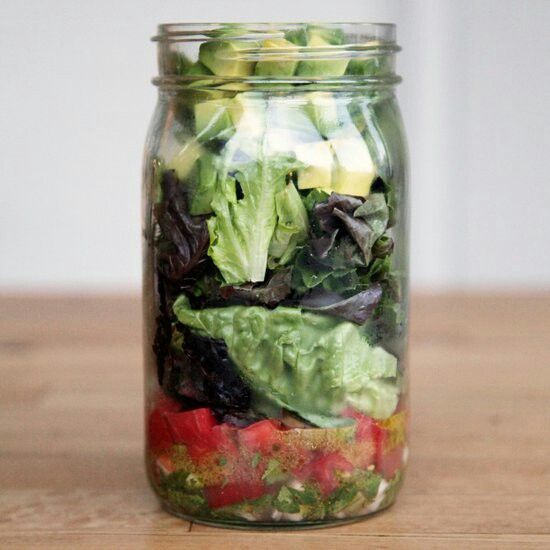
The absolute key to a successful, long-lasting salad in a jar lies in the precise order of its layers. This isn't just about aesthetics; it's a scientifically sound approach to prevent sogginess and maintain freshness. The golden rule to remember when learning
how to pack a salad in a jar is simple:
keep the wet ingredients away from the greens. This principle dictates the entire layering process, ensuring every component stays in its optimal state until you're ready to eat.
Here’s the breakdown of the tried-and-true layering formula:
- Dressing (At the Very Bottom): Start with your chosen salad dressing. This foundational layer serves as the moisture barrier, protecting all subsequent ingredients from becoming soggy. Aim for about 2-4 tablespoons, depending on your jar size and personal preference. For a deeper dive into ingredient selection and creative dressing ideas, be sure to explore how to pack a salad in a jar - Article 1.
- Hard, Non-Absorbent Vegetables: Next come your sturdy, crunchy vegetables that can sit comfortably in the dressing without deteriorating. Think carrots (julienned or diced), cucumbers, bell peppers, celery, radishes, or even cooked beets. These act as a protective buffer for the more delicate layers above.
- Proteins and Grains: This is where your salad gets its satisfying substance. Add cooked grains like quinoa, farro, couscous, or pasta. Follow with your protein sources such as beans (chickpeas, black beans), lentils, grilled chicken, tofu, hard-boiled eggs, or cooked shrimp. These ingredients are robust enough to withstand contact with the dressing but won't absorb it excessively.
- Softer, More Absorbent Ingredients: Here, you can include ingredients that are slightly more delicate but still benefit from some separation from the dressing. Examples include corn, peas, cherry tomatoes (halved), thinly sliced red onion, olives, or crumbled feta cheese. If you plan to add ingredients like avocado, which can brown, consider adding it fresh on the day you eat your salad or storing it in a small, separate container within the jar.
- Delicate Greens (At the Very Top): The grand finale! This is where your salad greens – lettuce, spinach, arugula, mixed greens, kale – go. Placed at the very top, they are maximally protected from any moisture below, ensuring they remain crisp and vibrant until mealtime. Pack them loosely but fully to fill the jar.
When you're ready to eat, simply shake the jar vigorously to distribute the dressing, or invert it onto a plate or into a larger bowl. The dressing will coat everything perfectly, yielding a fresh, evenly mixed salad every time.
Choosing the Right Tools: Jars and Dressings
The success of
how to pack a salad in a jar also hinges on selecting appropriate containers and dressings.
Best Jars for Mason Jar Salads
While most mason jars will work, certain features enhance the experience:
- Wide-Mouth Jars: These are highly recommended for ease of packing and unpacking. The wider opening makes it much simpler to layer ingredients without making a mess and to retrieve your salad when it's time to eat. Common sizes range from 16oz (pint) for smaller salads to 32oz (quart) for heartier meals.
- Jar Size: The "best" size depends entirely on your desired portion. A 16oz jar is great for a side salad or a lighter lunch, while a 24oz or 32oz jar is perfect for a substantial meal. Consider how hungry you typically are and choose accordingly.
- Glass vs. Plastic: Traditional mason jars are made of glass, which is non-reactive, non-staining, and endlessly reusable. If glass is a concern for portability, some companies offer BPA-free plastic jar-like containers, but glass remains the gold standard for freshness and sustainability.
Salad Dressings for Salads in a Jar
You don't need exotic dressings for mason jar salads; any dressing you love will work! However, there are a few considerations:
- Thickness Matters for Travel: Thicker, creamier dressings tend to stay put better at the bottom of the jar, especially if your salad might get jostled during travel. Think Greek yogurt-based dressings, tahini dressings, or thicker honey mustards.
- Thinner Dressings: Vinaigrettes, like a balsamic or Italian dressing, work perfectly well, but ensure your non-absorbent veggie layer is robust enough to act as a strong barrier. If your jar gets tilted sideways for an extended period, thinner dressings might migrate slightly more easily.
- Homemade Dressings: Crafting your own dressings allows you to control ingredients, sugar, and sodium content, making your jar salads even healthier. Plus, they often taste fresher than store-bought options.
Advanced Tips for Long-Lasting Jar Salad Success
To truly master
how to pack a salad in a jar and elevate your meal prep, consider these additional insights:
- Ingredient Prep is Key: Maximize your efficiency by pre-chopping all your vegetables, cooking your grains, and preparing your proteins ahead of time. Having all components ready to go makes the assembly process incredibly quick.
- Embrace Variety and Seasonality: Don't get stuck in a rut! Experiment with different vegetables, proteins, grains, and dressings. Seasonal produce is often fresher, more flavorful, and more cost-effective. Check out how to pack a salad in a jar - Article 2 for a wealth of recipe ideas and combinations.
- Strategic Soft Ingredient Management: While the layering method prevents sogginess, some ingredients (like avocado or very ripe tomatoes) are best added fresh on the day of consumption or stored in a small, separate container within the jar if you're concerned about browning or excessive moisture release.
- Proper Storage: Always keep your packed mason jar salads upright in the refrigerator. This maintains the integrity of the layers and ensures maximum freshness.
- The Art of Eating: When it's time to enjoy, you have options. You can simply invert the jar onto a plate or into a larger bowl, allowing the dressing to cascade over the ingredients. Alternatively, for a truly grab-and-go experience, you can shake the jar vigorously to distribute the dressing and eat directly from the wide-mouth jar with a long fork.
Mastering
how to pack a salad in a jar is more than just a culinary trick; it's a lifestyle hack that promotes consistent healthy eating, saves valuable time, and reduces food waste. By understanding the core principles of layering, selecting the right tools, and applying a few clever tips, you can transform your meal prep routine and enjoy fresh, vibrant, and delicious salads all week long. Say goodbye to soggy greens and hello to a future of convenient, nutritious lunches!